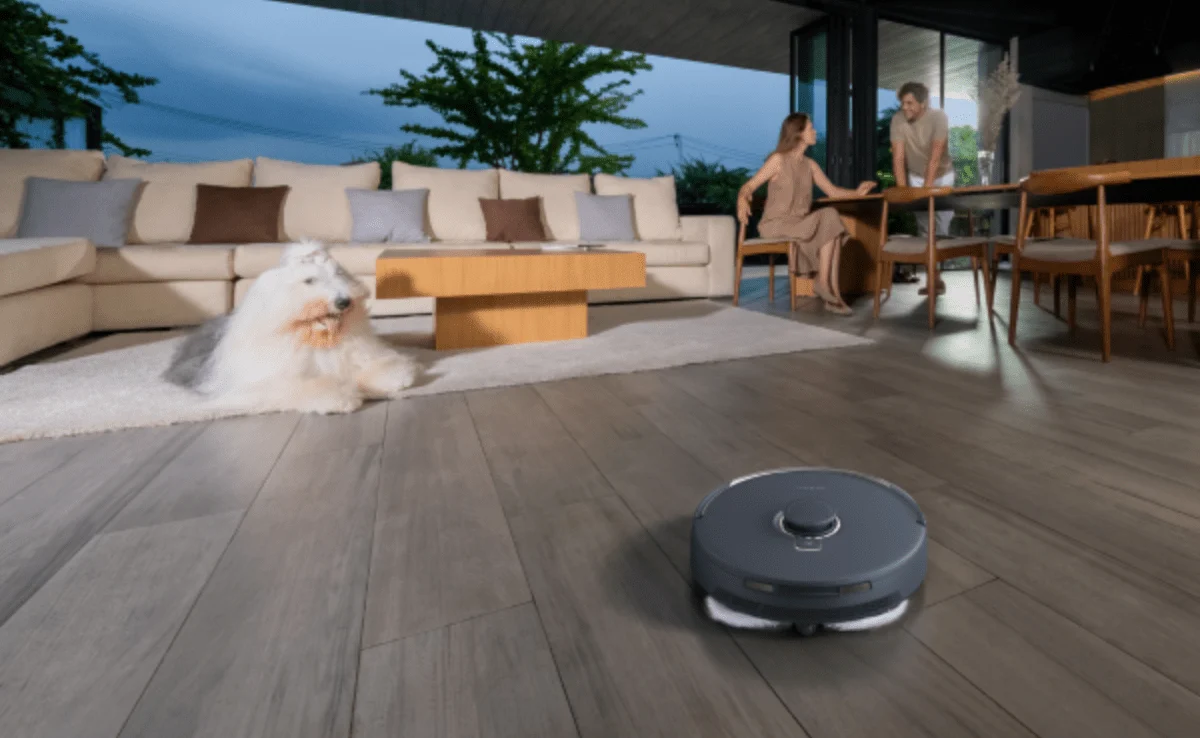
Modern households need cleaning solutions that save time without compromising everyday hygiene. Dust, crumbs, pet hair and footprints can quickly accumulate on floors, especially in homes with children, pets or busy schedules. A robot vacuum that combines vacuuming and mopping offers a practical way to manage these routine tasks with less manual effort.
However, not every cleaning robot delivers the same results. Navigation, suction performance, mop design, battery life and maintenance requirements all influence its effectiveness. Understanding these features helps homeowners choose a model that suits their flooring, room layout and cleaning habits.
What Is a Robot Vacuum With a Mopping Function?
A robot vacuum with a mopping function is a floor-cleaning device that combines dry vacuuming with damp cleaning. Depending on its design, it may use a removable microfiber pad, rotating mop pads or a roller-based mopping system. Some models allow users to adjust water flow and cleaning settings through a mobile application.
Unlike a traditional vacuum cleaner, a combination robot can handle everyday dust and light surface dirt before wiping hard floors. This makes it useful for maintaining cleanliness between deeper cleaning sessions.
The exact performance depends on the technology used. Basic models may require users to refill the water tank and wash the mop manually, while advanced systems can automate several maintenance tasks through a multifunctional docking station.
Key Benefits of Combined Vacuuming and Mopping
1. Less Time Spent on Everyday Cleaning
One of the biggest advantages is convenience. Instead of vacuuming and then mopping separately, users can schedule routine floor cleaning through an app. The robot can work while household members are cooking, working or spending time with family.
Scheduled cleaning is particularly useful in kitchens, hallways and living rooms, where dust and small particles accumulate quickly. Regular maintenance also helps prevent dirt from spreading throughout the home.
2. Better Maintenance of Hard Floors
Hard surfaces such as tiles, laminate, sealed wood and vinyl often collect fine dust and visible marks. Vacuuming removes loose particles, while damp mopping helps lift suitable surface residue.
A saugroboter mit wischfunktion can be a useful option for households that want to combine these tasks in one cleaning routine. Nevertheless, users should check the manufacturer’s flooring recommendations and water settings, particularly when cleaning sensitive wooden floors.
3. Useful Features for Pet Owners
Pet hair, scattered litter and everyday debris can make regular cleaning necessary. A robot vacuum with an appropriate brush design and effective filtration can help collect loose hair from accessible floor areas.
Homes with pets should also consider tangle-resistant brushes, easy-to-clean dust containers and reliable obstacle detection. These features can reduce maintenance and make scheduled cleaning more practical. However, performance varies according to hair length, carpet type and the amount of debris.
4. Automated Cleaning Schedules
Many modern robot vacuums support room selection, virtual boundaries and individual cleaning schedules. Users can arrange for the kitchen to be cleaned more frequently than a guest room, for example.
Some models also save maps of multiple floors and allow separate suction or mopping settings for different rooms. These functions are especially helpful in larger homes, where manually directing a robot for every cleaning session would be inconvenient.
Important Features to Consider Before Buying
Navigation and Obstacle Detection
Navigation technology directly affects how efficiently a robot covers the floor. Laser-based systems can create room maps and plan systematic routes, while camera-based systems may identify certain objects visually. Other models rely on simpler sensors and less advanced movement patterns.
Good obstacle detection can help a robot avoid furniture, cables and everyday objects. Nevertheless, no system is perfect. Small items should be removed from the floor before cleaning, and cables should be secured to prevent interruptions.
Suction Performance and Brush Design
A robot vacuum must collect dust, crumbs and hair effectively. Instead of judging performance by advertised suction figures alone, consider independent test results, brush construction, edge cleaning and performance on both hard floors and carpets.
Rubber rollers may help reduce hair tangling, although the result depends on the particular design. If the home contains several rugs, check whether the robot can detect carpets and adjust its cleaning behaviour accordingly.
Mopping Technology and Water Control
The mopping system determines how the robot handles everyday marks. A basic flat pad may be sufficient for light maintenance, whereas rotating pads or specialised rollers may provide a different cleaning approach.
Adjustable water flow is important because different floor materials tolerate moisture differently. Users should also check whether the robot lifts its mop when crossing carpets or whether restricted zones must be configured in the app.
A robot mop is primarily intended for routine maintenance. Dried spills, stubborn stains and heavily soiled areas may still require manual attention.
Battery Life and Cleaning Coverage
Battery capacity matters most when cleaning larger homes or multiple rooms in one session. Look for information about practical cleaning coverage, charging time and automatic return-to-dock functionality.
Some robots resume cleaning after recharging, which can be helpful for larger floor plans. Keep in mind that furniture, room divisions, carpet and cleaning intensity can affect actual coverage.
Self-Cleaning Docking Stations
A multifunctional dock can reduce the effort required after each cleaning cycle. Depending on the model, it may empty the dust container, refill the robot’s water tank, wash the mop pads and dry them.
These features offer convenience but can increase the purchase price and require additional floor space. Owners must still maintain the station, replace consumables when needed and clean components according to the manufacturer’s instructions.
Choosing the Right Robot Vacuum for Your Home
The best model depends on the environment in which it will operate. Smaller apartments may benefit from compact designs and straightforward controls, while larger homes may need advanced mapping, longer battery life and an automatic docking station.
Before purchasing a staubsauger roboter mit wischfunktion, consider the following factors:
- Flooring: Check compatibility with tiles, laminate, sealed wood and carpets.
- Household size: Larger areas may require more battery capacity and efficient navigation.
- Pets and children: Consider hair collection, obstacle detection and easy maintenance.
- Cleaning preferences: Decide whether basic mopping or automated mop washing is more important.
- Budget: Compare the total ownership cost, including replacement pads, filters and dust bags.
- Smart controls: Look for useful scheduling, room selection and restricted-zone settings.
Independent product testing can also help buyers distinguish practical cleaning performance from marketing claims. For example, Stiftung Warentest evaluates robot vacuums on factors such as hard-floor cleaning, carpet performance, usability and practical effectiveness. Its findings illustrate why a higher advertised suction figure does not automatically mean better overall cleaning results.
Maintenance Tips for Long-Term Performance
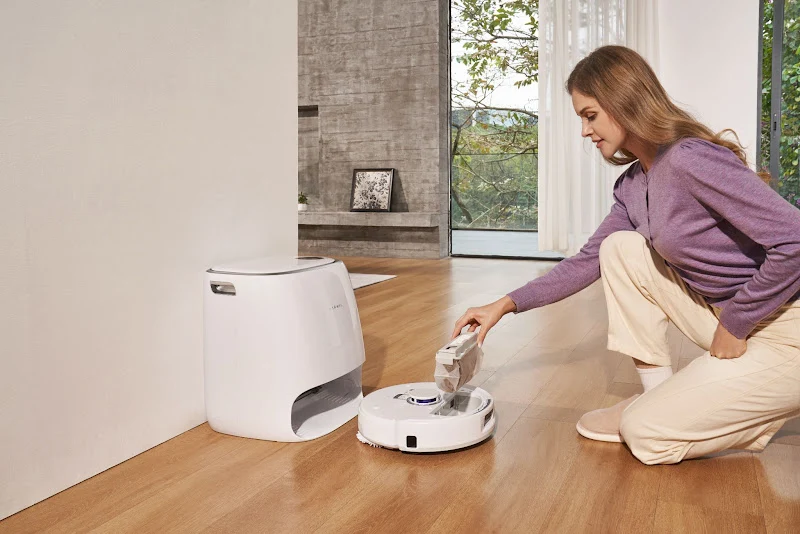
Regular maintenance is essential for consistent cleaning. Empty the dust container when necessary, remove tangled hair from brushes and clean sensors according to the manufacturer’s guidance. Wash reusable mop pads as recommended and replace worn components when required.
The water tank and docking station should also be maintained regularly. Allowing dirty mop pads to remain damp can cause unpleasant odours, while neglected sensors or blocked brushes may interfere with cleaning performance.
It is equally important to keep the floor reasonably clear. Loose cables, small toys and lightweight objects can obstruct movement or affect navigation. Following these simple habits helps the robot operate more reliably over time.
Fazit
A robot vacuum with a mopping function can make everyday floor care more convenient by combining dust collection and damp cleaning in a single automated routine. The most suitable choice depends on flooring, home size, navigation quality, brush design, mopping technology and maintenance needs.
Rather than focusing exclusively on price or advertised suction power, compare practical cleaning results and features that address your household’s needs. With realistic expectations and regular maintenance, a well-chosen robot vacuum can become a useful part of a long-term home cleaning routine.